J.P. Morgan humanoid robot forecast: US production of 300,000 to 400,000 units by 2030 and about 1.5 million by 2035; Timken, ROBOTIS, Leader Drive, Orbbec and Cognex picked as component suppliers
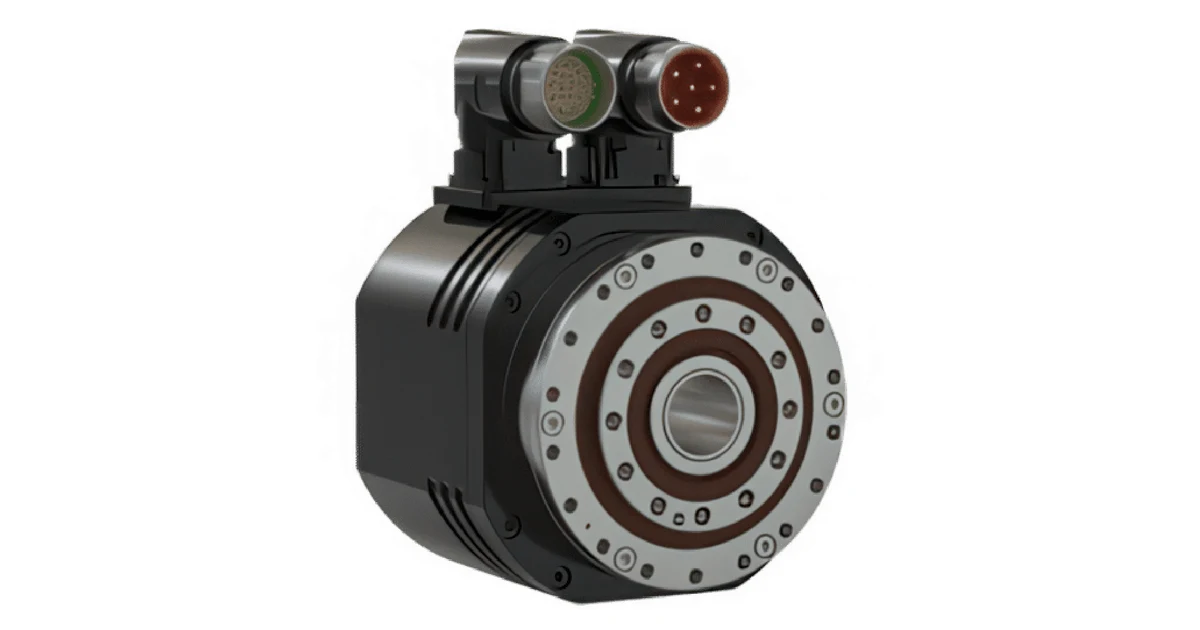
J.P. Morgan forecasts that humanoid robot production in the US will reach 300,000 to 400,000 units by 2030 and about 1.5 million units by 2035, Reuters reported on Thursday, Nov. 12, 2026. The bank says the industry is shifting from demonstrations to commercial deployment, with labor shortages, improving economics and rising production capacity driving adoption in manufacturing, logistics and warehousing. These are the bank's forecasts, not orders or production counts. J.P. Morgan's note has not been published, and the Reuters report does not say whether the 2030 and 2035 figures are annual output or cumulative totals.
J.P. Morgan estimates humanoid costs are nearing parity with labor costs and that running robots across multiple shifts could save a customer about $100,000 a year. It says most US makers outside Tesla are targeting 10,000 to 30,000 units a year, and that "near-term progress remains supply constrained, with a few binding bottlenecks: hands, actuators, the brain, and production capacity." It also lists AI training data and compute as constraints, and says the Trump administration's finding that imported robotics and industrial machinery pose national security risks could lead to tariffs or other measures to boost domestic production.
The bank sees component suppliers as the biggest near-term opportunity, expects the market for key parts such as actuators, motors and vision systems to approach $30 billion by 2035, and favors Timken, ROBOTIS, Leader Drive, Orbbec and Cognex. It names Tesla's Optimus, Agility Robotics' Digit, Boston Dynamics' Atlas, Figure AI's robots and Apptronik's Apollo as the key US platforms, and expects value creation to shift toward robot makers and platform integrators over time.
Servospace take: a forecast in the hundreds of thousands, public commitments in the low thousands
Servospace analysis: set the forecast against what US humanoid makers and buyers have committed in Servospace's archive. GXO's Nov. 12 letter of intent with Apptronik covers up to 1,000 Apollo robots over four years, only if 2027 trials meet agreed targets, and it is not a purchase order. Agility Robotics says it has more than $300 million in committed multi-year orders for Digit 5, subject to contractual milestones, with first shipments to early customers planned for the first half of 2027; it has given no unit count. Figure says it built its 1,000th Figure 03 at its BotQ plant in July, a manufacturing total, not customer deliveries. The full 1,000-robot GXO ceiling would be 0.25% to 0.33% of J.P. Morgan's 2030 range.
The capacity math cuts the other way. If the four non-Tesla makers the bank names each hit the 10,000 to 30,000 units a year it says most US makers target, that is 40,000 to 120,000 robots a year, Servospace arithmetic. If the 2030 range is annual output, Tesla and unnamed others would have to supply the rest, 180,000 to 360,000 a year if you pair the opposite ends of each range. Tesla's own plan is larger than the whole range: Not a Tesla App reported that early Optimus production began in October on a Fremont line planned for 1 million units a year, with outside deliveries targeted around the end of 2027. If the 2030 range is annual output, a US total of 300,000 to 400,000 implies that Fremont line has not reached its planned 1 million-a-year rate by 2030, or that the bank is counting something other than nameplate capacity.
Labor parity depends on how many people a robot still needs. Figure's job postings, which Servospace tallied on Nov. 11, pay commercial-site humanoid robot operators $26 to $30 an hour in Reno and Los Angeles. Staffing one operator seat around the clock, 8,760 hours a year, costs about $228,000 to $263,000 in wages before benefits, Servospace arithmetic. That wage bill is for one 24/7 seat, not a like-for-like match for the bank's $100,000 multi-shift savings figure, which is stated per customer and does not disclose robots per site or operators per robot. Savings at that scale still need several robots per operator, a ratio no US humanoid maker has published.
Who makes money: parts makers get paid on orders before robot makers show profits, which is why the bank's picks are suppliers. Timken's Precision Drives unit markets strain wave gearing from Cone Drive, cycloidal gearing and DriveSpin actuators from SPINEA, planetary and micro gearing from CGI Motion, and Timken encoders to humanoid developers. The supplier business is still small: Schaeffler says its humanoid order intake reached about €400 million as of Oct. 20, while Humanoids Daily notes robotics made up less than 1% of Schaeffler's 2025 group sales. And three of the bank's five picks are not US-listed: Leader Drive and Orbbec trade in Shanghai and ROBOTIS on KOSDAQ in South Korea, while the bank's own policy outlook points to tariffs or other measures favoring US production.
More on Boston Dynamics, Tesla, Agility Robotics, Figure AI, Apptronik, JPMorgan and humanoid robots.
Sources
- Reuters via CNA: US humanoid robot production could hit 400,000 by 2030 as deployment ramps, J.P. Morgan says (Nov. 12, 2026)
- Reuters via Investing.com: US humanoid robot production could hit 400,000 by 2030 as deployment ramps, J.P. Morgan says (Nov. 12, 2026)
- Humanoids Daily: J.P. Morgan Forecasts 300,000 to 400,000 US-Made Humanoids by 2030 (Nov. 12, 2026)
- Unite.AI: J.P. Morgan Projects U.S. Humanoid Robot Output of Up to 400,000
- Timken Precision Drives: Humanoid Robots
- Servospace (Nov. 12, 2026): GXO signs letter of intent for up to 1,000 Apptronik Apollo humanoids, conditional on 2027 warehouse trials
- Servospace (Oct. 30, 2026): Agility Robotics, maker of Digit, begins trading on Nasdaq as AGLT
- Servospace (Nov. 4, 2026): New Figure 03 humanoids walk out of the factory that built them
- Servospace (Nov. 11, 2026): Figure's humanoids still need a human shift crew
- Servospace (Nov. 6, 2026): Musk says Tesla will probably rent Optimus robots, not sell them
- Servospace (Nov. 3, 2026): Schaeffler cuts 3,460 European jobs, names humanoid robots a growth area
Go deeper: How humanoid robots work.
Summarized by Servospace from the sources above, drafted with AI help and checked against those sources before publishing. Claims are the companies' or outlets' unless we say otherwise. How we work.