A robot dog steered by human brain cells grown on a chip
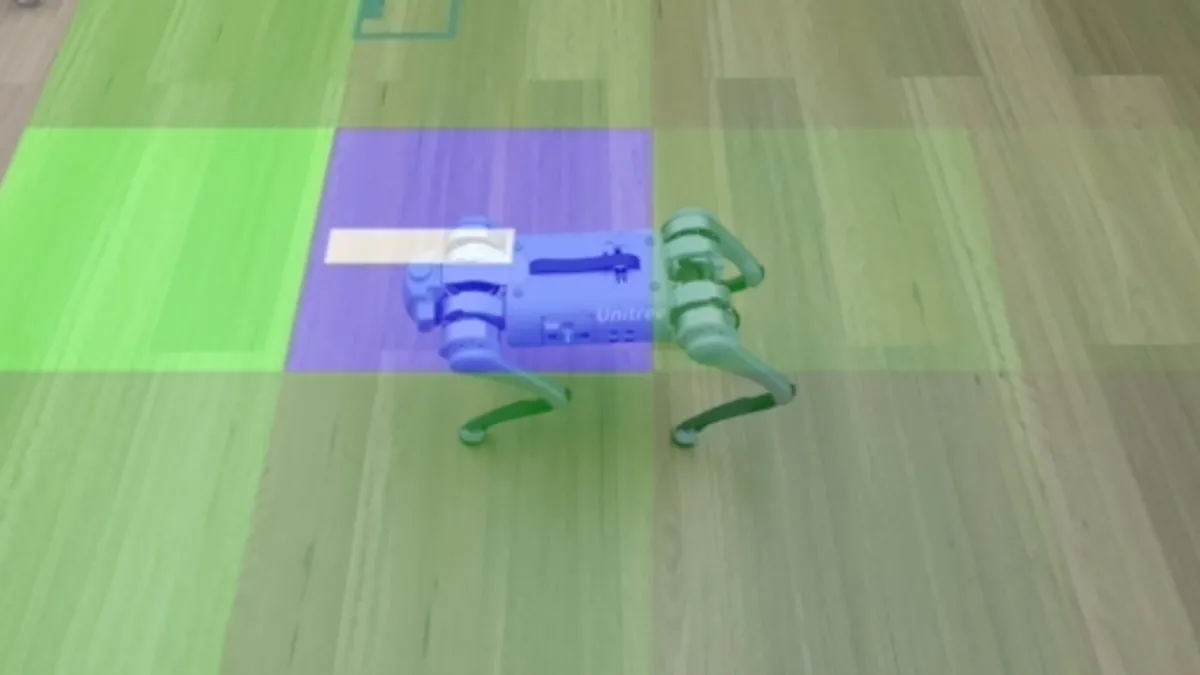
Australian startup Cortical Labs says it has steered a robot dog using human neurons grown in a lab on a silicon chip, ScienceAlert reported on Oct. 31, 2026. Electrodes on the chip send electrical signals into the neurons and read their activity back, and that activity is turned into movement that guides the robot toward a target on a simple map. CEO Brett Kagan called it "a simple demonstration." A related study with Honda Research Institute Europe ran entirely in simulation, training a virtual agent to move around a grid over more than 4,000 hours and almost 1,300 signal combinations. That study was presented at NeurIPS 2026 and posted on arXiv but has not been peer-reviewed.
Why it matters
The approach is slow and early. The bet is that living cells could one day learn and adapt using far less power than conventional chips.
The source post
Post by gdh on X.
View the post on X
Sources
New to robots? Start with our beginner's guide to how robots work.
Summarized by Servospace from the sources above, drafted with AI help and checked against those sources before publishing. Claims are the companies' or outlets' unless we say otherwise. How we work.