XPENG IRON humanoid mass production set for January 2027
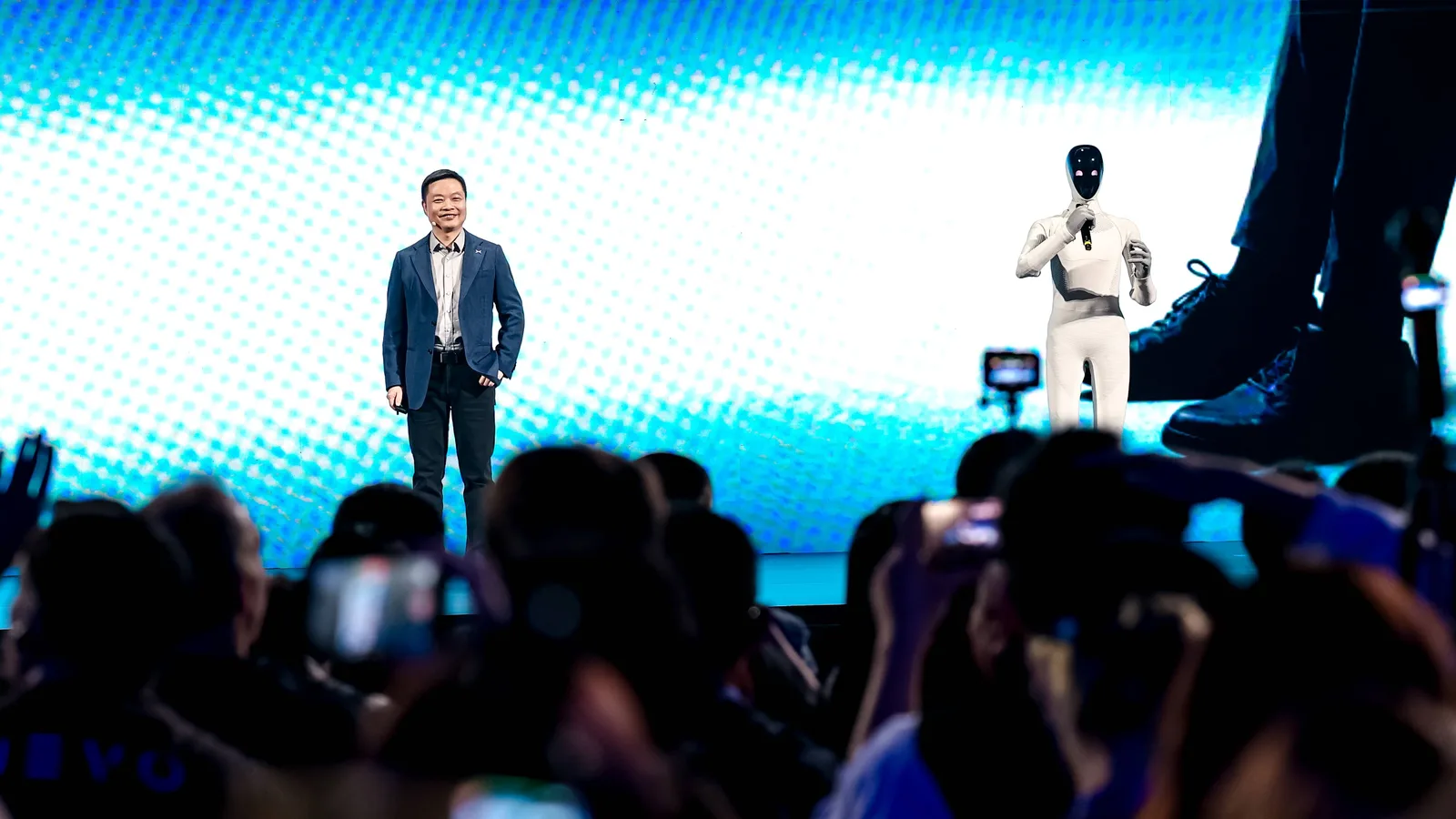
XPENG said at its AI Day in Guangzhou on Nov. 25 that its IRON humanoid robot will enter hardware mass production in January 2027, CnEVPost and China News Service reported. XPENG's official release says IRON will begin training as a store assistant in XPENG retail stores in the first quarter of 2027, with its official public release targeted for the second quarter. XPENG had set an end-2026 mass-production target at its 2025 AI Day and repeated it in August, when its robotics unit raised more than $900 million. XPENG plans hardware sales and software subscriptions and is exploring token-based subscriptions and an open platform; pricing has not been announced. All dates and specs are company claims. Servospace take: IRON's first workplace is XPENG's own showrooms, so paid outside demand stays untested until at least the second quarter.
Servospace take: a short slip, and the first customer is XPENG itself
Servospace analysis: the slip is weeks, not quarters, but it is a slip. At its Nov. 5, 2025 AI Day, XPENG said it aimed to mass-produce IRON by the end of 2026, CnEVPost and CNBC reported. XPENG repeated that in its Aug. 24, 2026 funding release, which said IRON would enter mass production by the end of 2026, with initial commercial deployment at XPENG's stores and campuses before deliveries in China and overseas in 2027. On the Nov. 16 third-quarter earnings call, chairman and CEO He Xiaopeng said production was scheduled to begin Jan. 1, 2027, KrASIA reported. AI Day restated the plan as hardware mass production in January 2027. XPENG commissioned IRON's automated production line on Sept. 8, says more than 80% of its core processes are automated, and still said in that release that IRON would enter mass production by the end of 2026. Humanoids Daily, reporting from Guangzhou, says the line is designed to build one IRON every 2.5 minutes at full capacity, a company design figure, not an output rate.
The first workplace is captive. XPENG's release says IRON will train as a store assistant in XPENG retail stores in the first quarter; CnEVPost specifies XPENG's domestic stores, and China News Service says the robots will intern as sales guides. Humanoids Daily reports that external enterprise deliveries begin in the second quarter, aimed at retail, hospitality, education and front-desk reception, not warehouse or logistics work, with a European rollout planned for the second half of 2027. Starting in its own showrooms lets XPENG gather real-world data and tune the robot before outside buyers pay, but the first quarter of production will not show whether anyone else will buy. Pricing for the hardware, software tiers and token plans has not been announced, Humanoids Daily reported, and none of the AI Day reports Servospace reviewed named an external customer. Steelmaker Baosteel was announced as an IRON ecosystem partner at the 2025 AI Day, CnEVPost reported then. After this year's event, He described his outlook on the robotics business as "extremely optimistic in the long term and cautious in the short term" and said the global robotics market may currently number only in the tens of thousands of units, CnEVPost reported.
The specs are XPENG's: 170 cm and 62 kg per CnEVPost, 76 degrees of freedom, more than 1,500 tactile points covering over 80% of key body areas, three Turing AI chips, and a solid-state battery that CnEVPost puts above 300 Wh/kg, good for 1.5 hours of work on a 20-minute charge. XPENG has not disclosed the battery's electrolyte chemistry, Humanoids Daily noted. The robotics business raised more than $900 million at a post-money valuation above $6.3 billion in August, led by IDG Capital with Gaorong Ventures participating and Tencent and Alibaba as strategic investors; XPENG says it keeps control and consolidates the unit. The release lists the revenue model as hardware sales, software subscriptions and an open platform, with token-based subscriptions and scenario-based services under exploration. Our earlier story covers XPENG's YOYO robotaxi plans from the same event. What to watch: the first units off the line in January, any named outside customer, and IRON pricing ahead of the second-quarter release.
More on XPeng and humanoid robots.
Sources
- XPENG (Nov. 25, 2026): XPENG unveils Turing Physical AI Architecture and debuts IRON; store-assistant training in XPENG retail stores in Q1 2027, official public release targeted for Q2 2027; 76 DoF, 1,500+ tactile points, three Turing AI chips; hardware sales, software subscriptions, open platform, token-based subscriptions under exploration
- CnEVPost (Phate Zhang, Nov. 25, 2026): IRON hardware mass production January 2027, sales-assistant training in domestic stores in Q1, public release Q2 2027; 170 cm, 62 kg, solid-state battery above 300 Wh/kg, 1.5 hours of work on a 20-minute charge; He on short-term caution
- China News Service (Cai Minjie, Nov. 25, 2026, in Chinese): IRON expected to enter hardware mass production in January 2027 and intern as a sales guide in XPENG stores in Q1
- Humanoids Daily (Pontus Armini, Nov. 25, 2026, on site in Guangzhou): unisex form factor confirmed; one unit every 2.5 minutes at full line capacity; Q2 external enterprise deliveries for retail, hospitality, education and reception; Europe in 2H 2027; pricing not announced; electrolyte chemistry undisclosed
- Humanoids Daily (Nov. 19, 2026): AI Day preview; 2025 AI Day set a 2026 mass-production target; robotics unit raised more than US$900 million at US$6.3 billion; production line commissioned in September; earnings call date of Jan. 1, 2027
- KrASIA (Nov. 18, 2026): XPENG targets IRON deliveries to external business customers in Q2 2027 after store trials in Q1; earlier end-2026 target; He said on the Nov. 16 call production was scheduled to begin Jan. 1, 2027
- XPENG (Aug. 24, 2026): robotics business raises over US$900 million at a post-money valuation of over US$6.3 billion, led by IDG Capital; IRON expected to enter mass production by the end of 2026, initial deployment at XPENG stores and campuses, deliveries in 2027
- XPENG (Sept. 8, 2026): IRON walks off XPENG's newly commissioned humanoid robot production line; over 80% of core processes automated
- CnEVPost (Nov. 5, 2025): Xpeng unveils next-gen Iron at 2025 AI Day; aims for mass production of advanced robots by the end of 2026; Baosteel ecosystem partner
- CNBC (Nov. 5, 2025): Xpeng shows new humanoid robot with plans for mass production by the end of 2026; first uses as tour guides and sales assistants in Xpeng facilities
- Servospace (Nov. 25, 2026): XPENG says it won't operate robotaxi fleets; YOYO-01 due in 2027
Go deeper: How humanoid robots work.
Summarized by Servospace from the sources above, drafted with AI help and checked against those sources before publishing. Claims are the companies' or outlets' unless we say otherwise. How we work.