Tesla registers machining company at EMAG's Salach HQ; about 220 staff reportedly move over
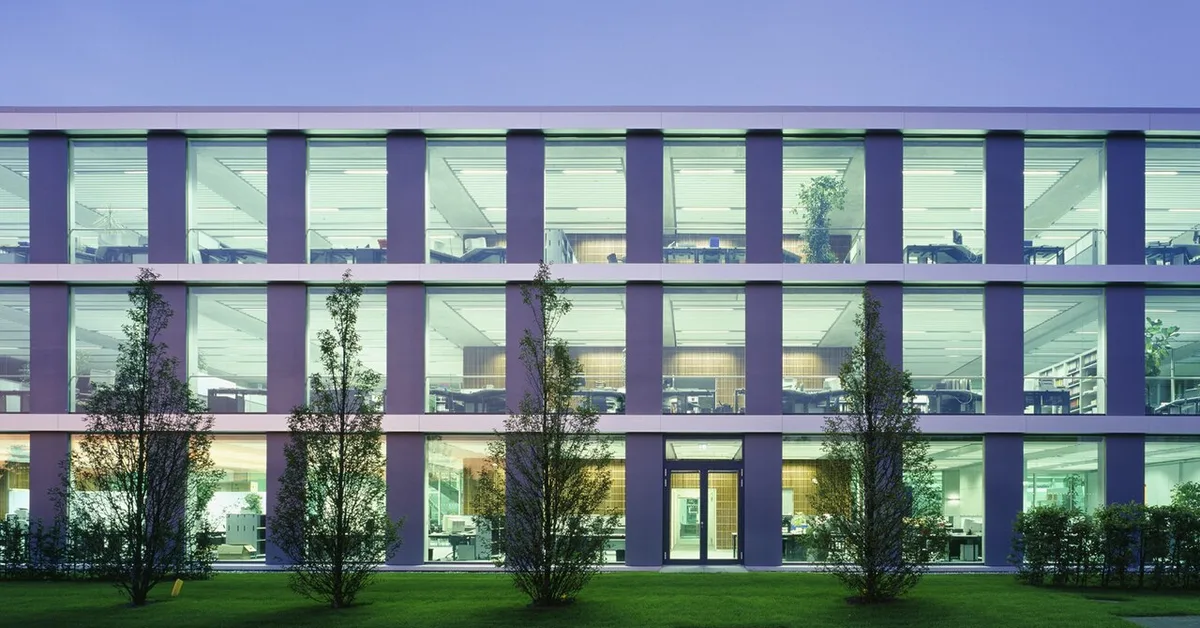
Tesla has registered Tesla Machining Technologies Management SE, a European company (Societas Europaea), in Germany's company register (HRB 315756, Munich district court) with EMAG's headquarters at Austrasse 24 in Salach as its business address and 120,000 euros in share capital, Electrek and Business Insider Germany reported. It began as a shelf company, Blitz 26-299 SE, and Tesla renamed it this month. Its three managers are Tesla Germany's sales head Maximilian Stromberger, a US robotics engineer and the HR chief of Tesla's Gruenheide plant, per Business Insider.
Stuttgarter Nachrichten reports that about 220 EMAG employees will work for Tesla and that the deal is about humanoid robots. Boersen-Zeitung says some staff told it EMAG's machine business continues. Neither company has confirmed a deal or commented.
Servospace take: Tesla appears to be buying gear-making know-how, not a supplier contract
What is confirmed: the register entry, the Salach address, the 120,000 euro capital and the named managers. What is reported but unconfirmed: the 220-person transfer, a long-running partnership and the humanoid link. Business Insider says EMAG had about 1,509 German staff when it announced 455 job cuts in November 2025, so 220 people would be roughly 15% of that pre-cut base. EMAG lost 42 million euros on 496 million euros of revenue in 2024, per Business Insider.
Why it matters for Optimus: EMAG markets machines for the gears inside humanoid joints, namely flexsplines, wave generators and planetary gears. It claims ISO 1328 Class 4 gear quality with runout under 5 micrometres on flexsplines, and says current humanoids need at least 14 rotary actuators. If Tesla is bringing that process team in-house, it is betting that precision gear production, not robot assembly, is a bottleneck worth owning. What to watch: a signed deal, the head count that actually transfers, and whether EMAG keeps selling the same machines to other humanoid makers.
More on Tesla, Optimus and humanoid robots.
Sources
- Electrek (Nov. 25, 2026): Tesla quietly sets up a company at German machine maker EMAG's HQ; HRB 315756, 120,000 euro capital, Austrasse 24 Salach, Blitz 26-299 SE shelf company
- Stuttgarter Nachrichten (Nov. 25, 2026, German): about 220 EMAG employees to work for Tesla; partnership about humanoid robots
- Golem.de (Nov. 26, 2026, German): Tesla Machining Technologies Management SE, HRB 315756, 120,000 euros, Austrasse 24 Salach, Blitz 26-299 SE; 220 per Stuttgarter Nachrichten; no comment from either firm
- Business Insider Germany (German): Tesla Machining Technologies Management SE managers per federal gazette notice; EMAG 2024 revenue and loss; 455 job cuts of about 1,509 German staff
- Boersen-Zeitung (Nov. 26, 2026, German): Tesla kauft sich bei Emag ein; not all staff move, machine business continues per employees; no official confirmation
- EMAG: Precision components for humanoid robots (company claims on flexsplines, wave generators, planetary gears, ISO 1328 Class 4, at least 14 rotary actuators)
Go deeper: How humanoid robots work.
Summarized by Servospace from the sources above, drafted with AI help and checked against those sources before publishing. Claims are the companies' or outlets' unless we say otherwise. How we work.