Path Robotics raises $300M Series E led by Georgian at a $2.45B valuation, claims 17-fold ARR growth in 18 months
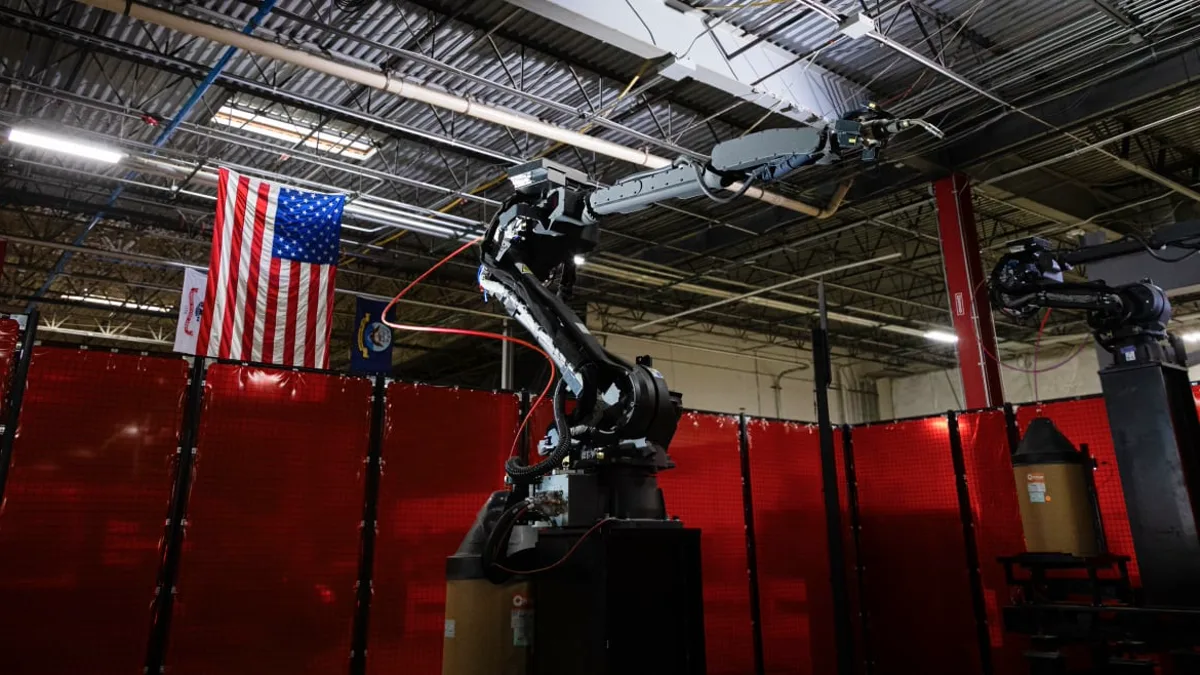
Path Robotics, the Columbus, Ohio maker of AI welding cells, said on Nov. 10 it raised a $300 million Series E at a $2.45 billion post-money valuation. Georgian led. Existing investors Addition, Drive Capital, IronArc Ventures, Tiger Global and Yamaha Motor Ventures joined, with new investors D. E. Shaw Ventures and NAVER Ventures. Georgian partner Emily Walsh joins the board. Bloomberg also reported the round. Path says it has raised more than $610 million since 2018.
Path claims annual recurring revenue grew 17-fold over 18 months but gives no dollar figure; the chart on its own announcement has no values on the axis. The money goes to tasks beyond welding, new robot form factors building on its quadruped welder Rove, and AI model training. Path says its headcount grew 97% in a year and should reach 400 by year-end.
Servospace take: who makes money
Servospace analysis: A 17-fold multiple with no starting number tells you the direction, not the size. Path does not say what its ARR is, how much is recurring software versus welding cells sold or leased, or what its margins look like, so the $2.45 billion price cannot be checked against revenue from public data. The firmer public numbers are older and different measures: Path's revenue chief told Maritime Reporter in September that 2025 revenue quadrupled and bookings passed $100 million, and that customers generally see at least 35% savings on existing labor spend. Those are company claims. The biggest named contract, up to $600 million of HII shipbuilding work over seven years, pays only if Path hits cost, schedule and quality milestones. Investors are paying for the weld-data flywheel and the move into new tasks; the question to track is how much of that HII work reaches the delivery stage.
More on robot business and funding.
Sources
- Path Robotics via Business Wire: Path Robotics Announces $300 Million Series E Financing at $2.45 Billion Valuation (Nov. 10, 2026)
- Path Robotics newsroom: Path Robotics Announces $300M Series E Led by Georgian (Nov. 10, 2026)
- Bloomberg: Path Robotics raises $300M Series E at a $2.45B valuation (Nov. 10, 2026, paywalled; headline and Techmeme summary)
- Maritime Reporter: Path Robotics, Teaching the Robot to Weld (Sept. 2026)
- HII via GlobeNewswire: HII Signs Performance-based Production Agreements with Path Robotics and GrayMatter Robotics (Aug. 6, 2026)
- Ohio Tech News: Path Robotics lands up to $600 million share of $900 million U.S. Navy shipbuilding deal (Aug. 6, 2026)
New to robots? Read our guide: How robots work: a beginner's guide.
Summarized by Servospace from the sources above, drafted with AI help and checked against those sources before publishing. Claims are the companies' or outlets' unless we say otherwise. How we work.