BrightAI raises $97M led by Smith Point Capital; GE Vernova invests in infrastructure inspection AI
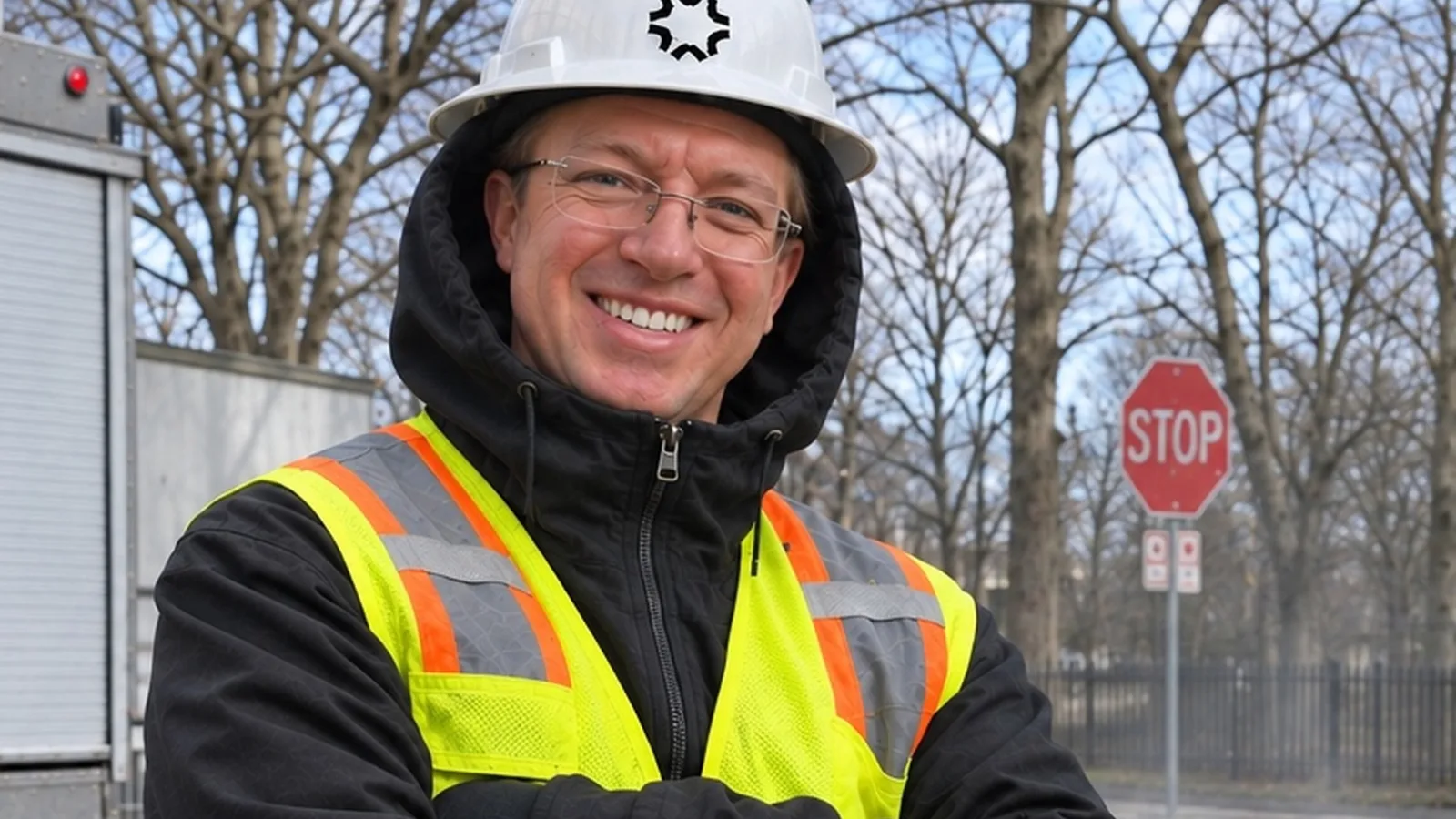
BrightAI said Nov. 18 it raised $97 million in a round led by Smith Point Capital, the growth firm started by former Salesforce co-CEO Keith Block. Customer GE Vernova also invested, along with Cobalt Capital, Marlinspike Partners, Zero Infinity Partners and existing backers Khosla Ventures, Inspired Capital and Upfront Ventures. The round brings total funding to $184 million, and Fortune reports, citing a person familiar with the matter, that it values the company at $750 million. BrightAI's Stateful platform pairs edge AI sensors on poles, pipelines, compressors and tanks with inspection robots, drones and wearable copilots for field crews. The company claims it runs at more than 50,000 locations. Customers named in coverage include GE Vernova, Diamondback Energy, Kodiak Gas Services, Reworld, Osmose and Azuria Water. Most of the money goes to expansion abroad, with offices planned in Europe and Asia.
Servospace take: the money is in skipping the wasted truck roll, with robots sent only where sensors point
Servospace analysis: BrightAI's pitch to operators is labor math, not robotics for its own sake. The company claims more than half of scheduled inspections find nothing, and Hawkinson told Fortune technicians put it at 50% to 70%. In BrightAI's model, sensors flag the problem, robots and drones cover hard or risky sites, and crews go only where work exists. The other claims to test are Hawkinson's figures of 51 days of average warning before a catastrophic failure and onboarding cut from two to three years to under six months; none were independently verified. On the investor side, $184 million raised against a reported $750 million valuation is about 4.1 times capital in, by Servospace arithmetic. A customer like GE Vernova writing a check, and planning to use BrightAI across its Power, Wind and Electrification businesses, is a stronger adoption signal than the valuation.
More on Kodiak and robot business and funding.
Sources
- BrightAI press release via Business Wire (Nov. 18, 2026): BrightAI Announces $97 Million Investment to Scale Physical AI Across the World's Essential Services (led by Smith Point Capital; GE Vernova, Cobalt Capital, Marlinspike Partners, Zero Infinity Partners; existing investors Khosla, Inspired, Upfront; $184M total; Stateful platform; 50,000+ locations claim; robots and drones claimed at 5x+ manual inspection productivity; more than half of scheduled inspections find nothing; nearly 60% of target market outside North America)
- Fortune (Nov. 18, 2026): physical AI founder raises $97 million (valuation $750M per a person familiar; customers GE Vernova, Reworld, Osmose Utilities Services, Azuria Water Solutions, Kodiak Gas Services; 51 days average warning per Hawkinson; onboarding cut from two to three years to under six months; GE Vernova to use BrightAI across Power, Wind and Electrification; headcount doubled in 2025)
- TNW (Nov. 18, 2026): BrightAI raises $97M to put AI sensors and robots on pipes and power lines (prior $51M Series A led by Khosla and Inspired in July 2025; customers include Diamondback Energy; Europe and Asia offices)
- Smith Point Capital (Nov. 18, 2026): The intelligence layer for critical infrastructure (lead investor note)
New to robots? Read our guide: How robots work: a beginner's guide.
Summarized by Servospace from the sources above, drafted with AI help and checked against those sources before publishing. Claims are the companies' or outlets' unless we say otherwise. How we work.