Botsync raises $11M led by IvyCap Ventures; SyncOS robot software heads to the U.S., payback claims vary
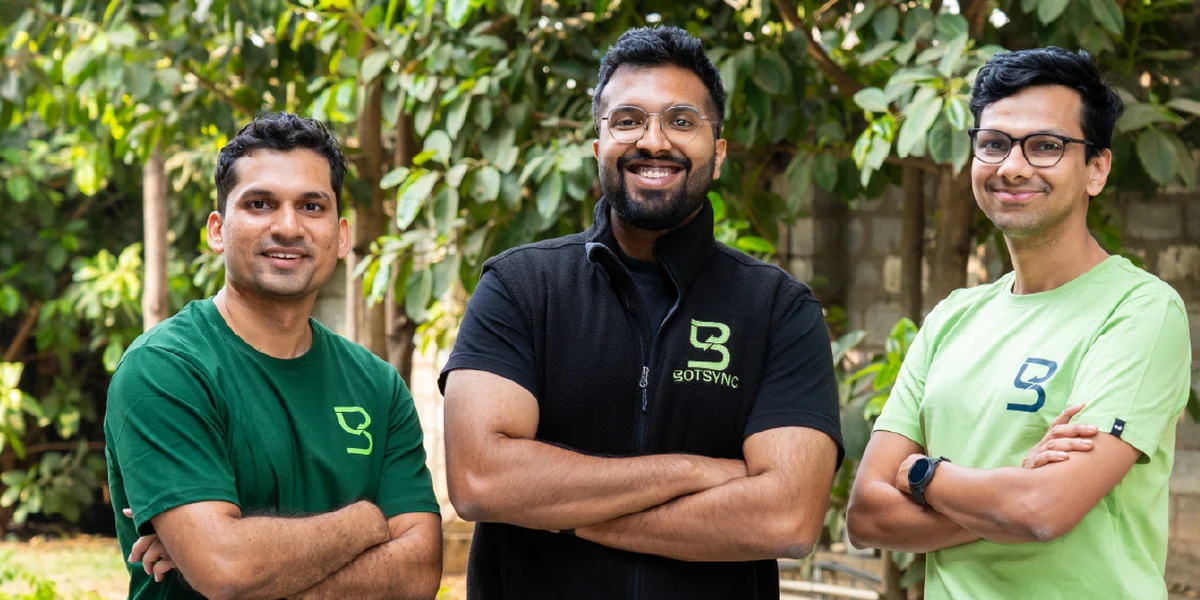
Botsync, a Singapore maker of autonomous mobile robots for factories and distribution centres, said Nov. 18 it raised $11 million in a round led by IvyCap Ventures. Capital 2B, AppWorks, Iterative, AngelCentral, Genesis Alternate Investments and angel investor Nalin Advani also took part. Botsync gave the round no series label; Entrackr calls it a Series B. The company says it has raised more than $20 million to date, after a $5.2 million Series A in 2024 and a January 2026 extension led by SGInnovate. Most of the money goes to new AI features for SyncOS, its software that runs robots and machines from any vendor, and to its MAG robots. Botsync plans to scale in Australia and set up U.S. go-to-market operations. It names Caterpillar, Ford, Nestlé, Honda, Coca-Cola and Kimberly-Clark as customers but does not disclose revenue.
Servospace take: blue-chip logos, but the payback math depends on which Botsync document you read
Servospace analysis: the most concrete adoption evidence is in Botsync's own case studies, not in this week's announcement. At PT Tri Centrum Fortuna, an Adyawinsa group automotive parts plant in Indonesia, Botsync says a MAG1000 pallet lifter robot now moves parts weighing 500 to 800 kg from 17 pick-up stations to 7 drop-off points, cutting the pallet-moving crew from 12 operators across three shifts to 3. At an unnamed global automaker's stamping plant in Thailand, it says its robots made more than 40,000 production trips in 15 months and paid back in under two years. Those are company claims; the customers are not quoted and the Indonesia page does not clearly state how many robots run there. The headline numbers also shift between documents. The statement carried by DealStreetAsia and TNGlobal says more than 70 projects across six countries and payback within 24 to 36 months; CEO Rahul Nambiar's blog post says nine countries and payback within 24 months on average. Botsync still does not disclose revenue; in January it claimed 230% revenue growth in 2025 without a base figure. The round is about 2.1 times its $5.2 million 2024 Series A, Servospace arithmetic, and e27 notes it is mostly existing backers. For warehouse and plant buyers, the test of SyncOS is named multi-vendor sites with robot counts, not logos.
More on Ford and robot business and funding.
Sources
- Botsync blog, Rahul Nambiar (Nov. 18, 2026): We've raised US$11 million to help factories run as one (IvyCap Ventures lead; investors; over US$20 million raised; 70+ projects across nine countries; 2 million+ production tasks at 99% uptime; payback within 24 months on average; Australia early wins; U.S. push; named customers)
- DealStreetAsia (Nov. 18, 2026): Singapore's Botsync raises $11m in funding round led by IvyCap Ventures (70+ projects across six countries; payback within 24 to 36 months, per company statement)
- e27 (Nov. 18, 2026): Singapore's Botsync takes its Physical AI pitch to the US with US$11M in fresh funding (no series label or valuation disclosed; IvyCap was a co-investor in the 2024 Series A; figures not independently verified; revenue undisclosed)
- TNGlobal (Nov. 18, 2026): Singapore's Botsync raises $11M, led by IvyCap Ventures, for factory robots
- Entrackr (Nov. 18, 2026): IvyCap Ventures leads $11 Mn Series B round in robotics company Botsync ($5.2 million Series A in June 2024 led by Capital 2B and Betatron Venture Group)
- Botsync case study: PT Tri Centrum Fortuna (MAG1000 pallet lifter AMR, 17 pick-up stations to 7 drop-off points, pallet crew cut from 12 to 3)
- Botsync case study: global automaker stamping shop, Thailand (40,000+ production trips in 15 months, ROI under two years)
- Botsync via PR Newswire (Jan. 14, 2026): additional Series A funding from SGInnovate (230% revenue growth and over a million live production trips in 2025, company claims)
New to robots? Read our guide: How robots work: a beginner's guide.
Summarized by Servospace from the sources above, drafted with AI help and checked against those sources before publishing. Claims are the companies' or outlets' unless we say otherwise. How we work.